00A framework for being human

Prepare your child for more than school.

Being Human is a learner-centred, skills-based framework for human learning and development. Here, its living map is explored through family life and home education.

Scroll to follow the signal
01The question

Learning is more than a collection of subjects.

Mathematics, science, language and the arts matter—but subjects are not the whole of human development. Being Human connects Knowledge to capability, experience and life in the real world.

View all 7 examples
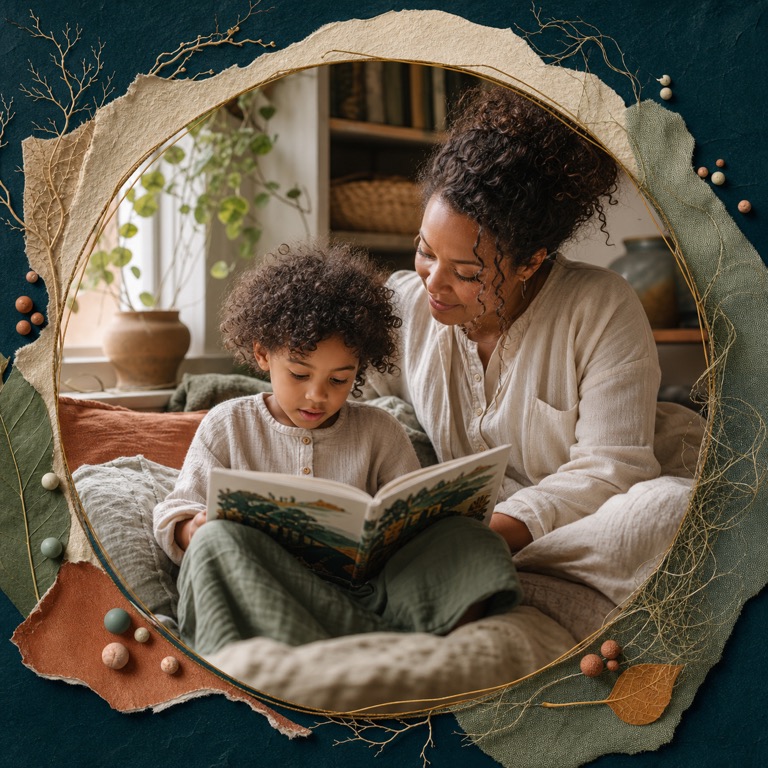
  • A parent and child sharing an illustrated book together at homeReading
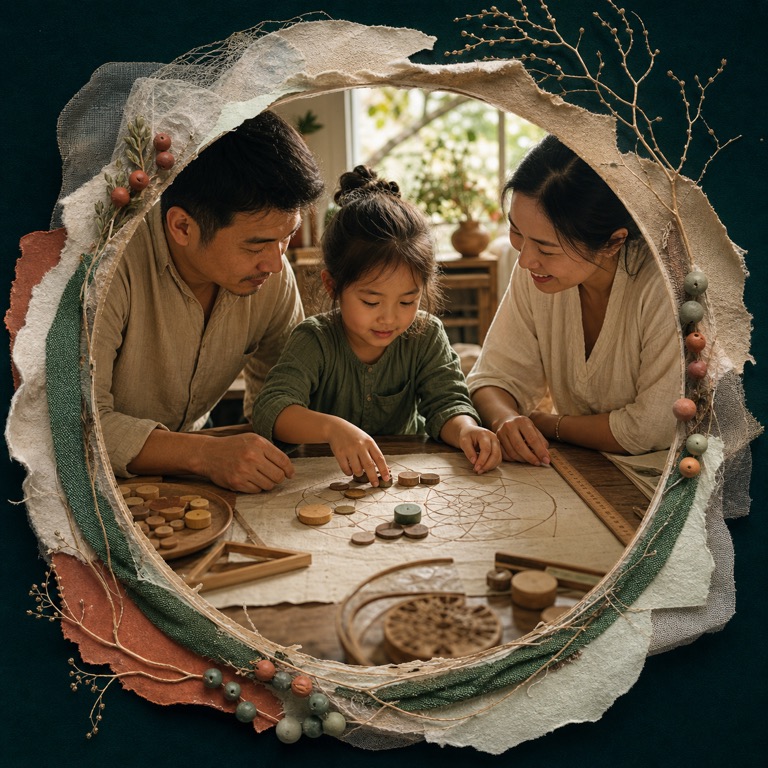
  • A family exploring number patterns with tactile counting piecesMathematics
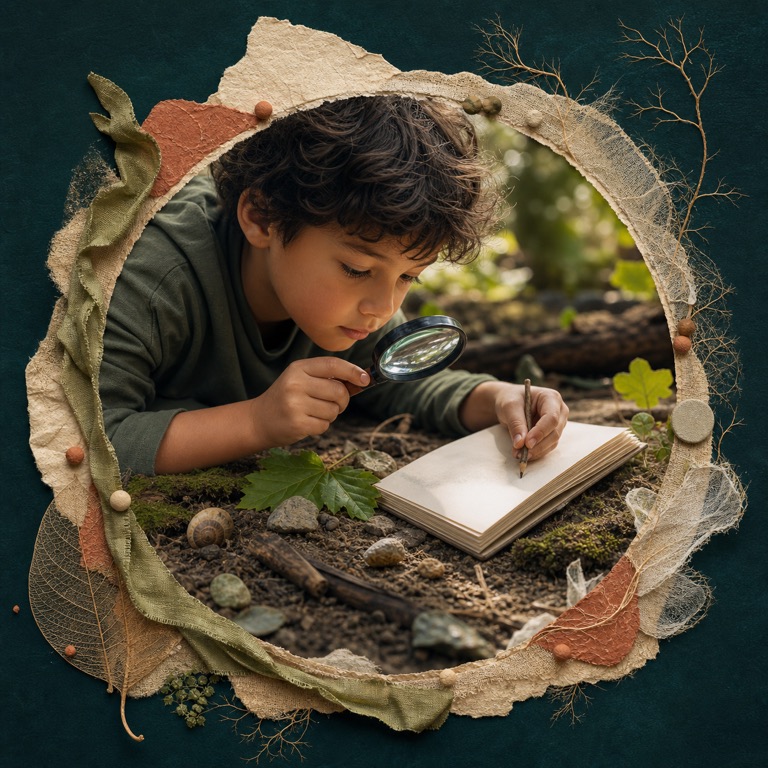
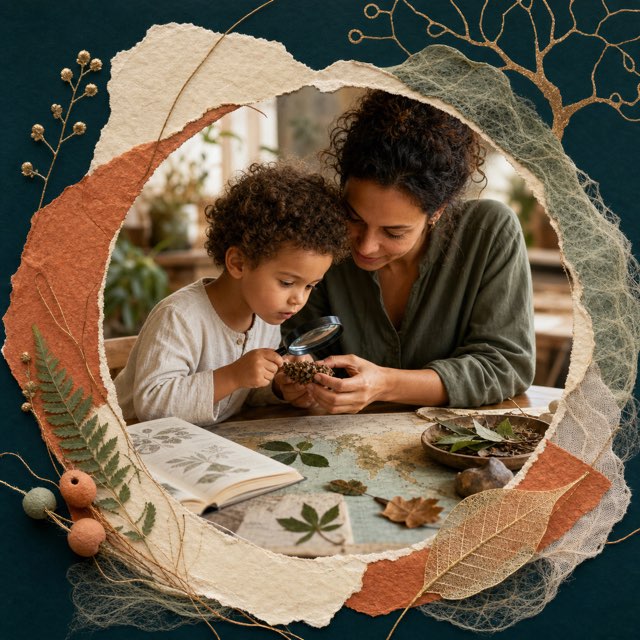
  • A child examining a natural object with a magnifying glass and notebookScience
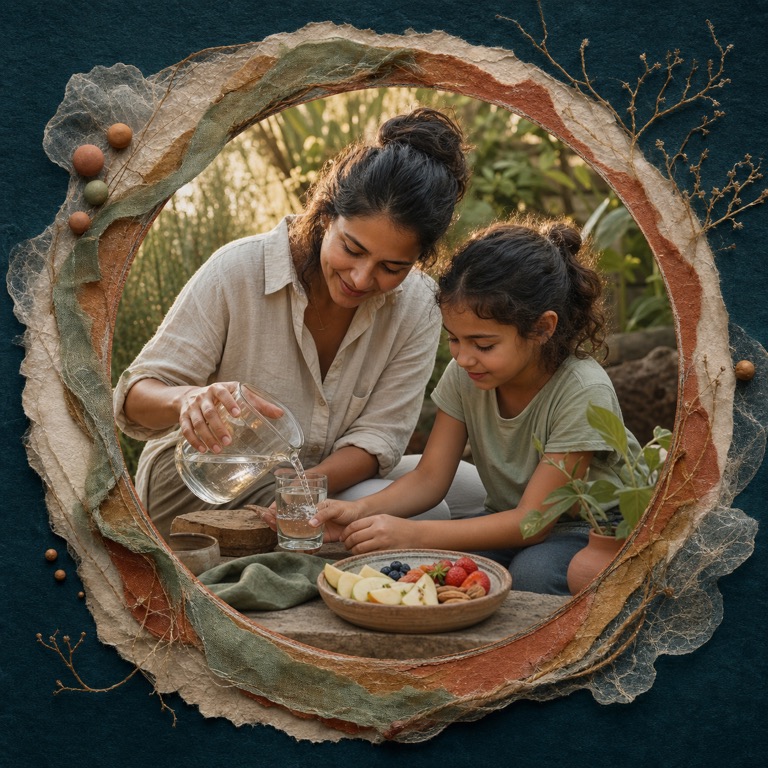
  • A parent and child preparing water and a healthy snack togetherHealth
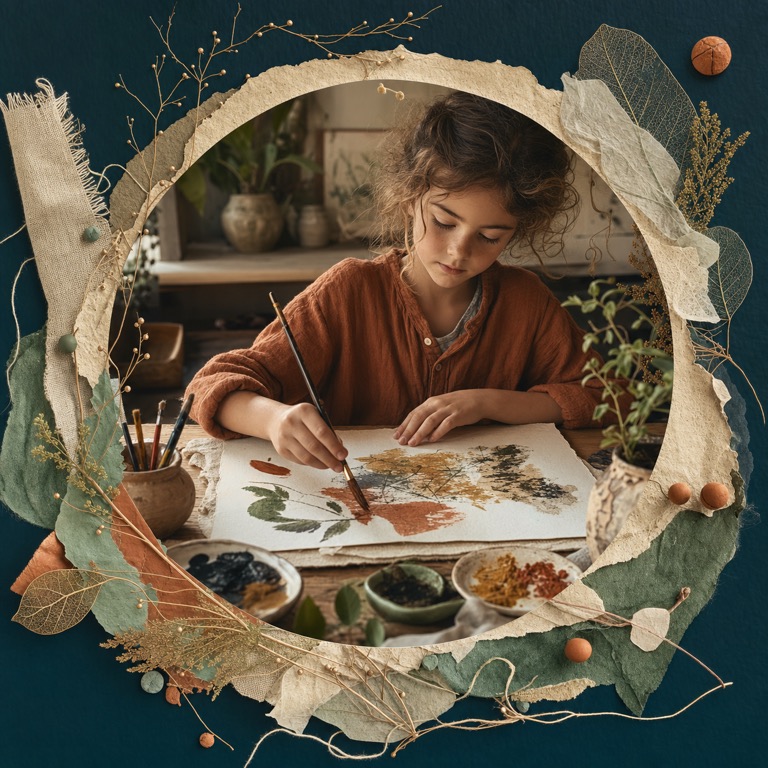
  • A child painting thoughtfully at a warm home workspaceArt
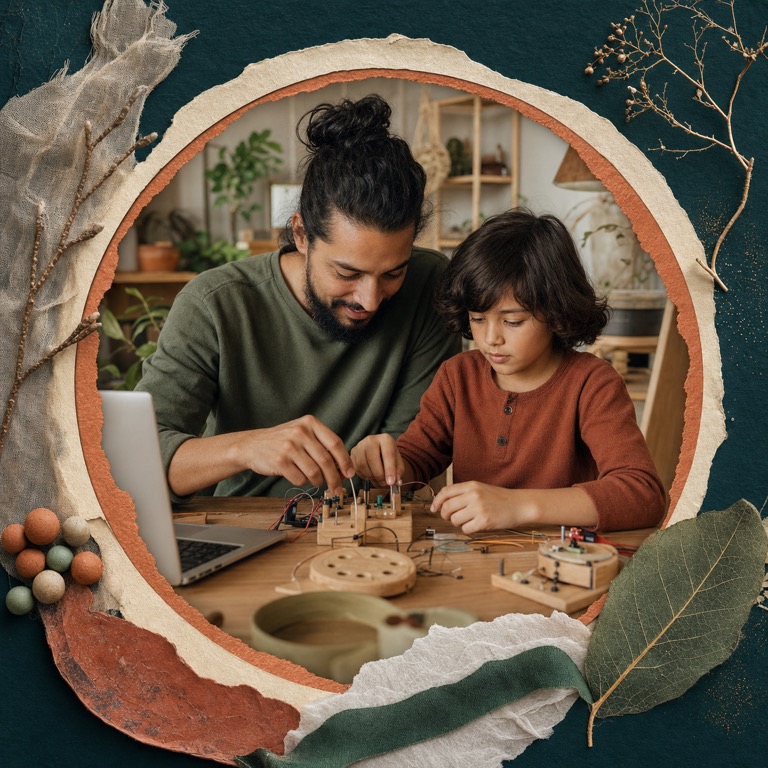
  • A parent and child building a small electronics project beside a laptopTechnology
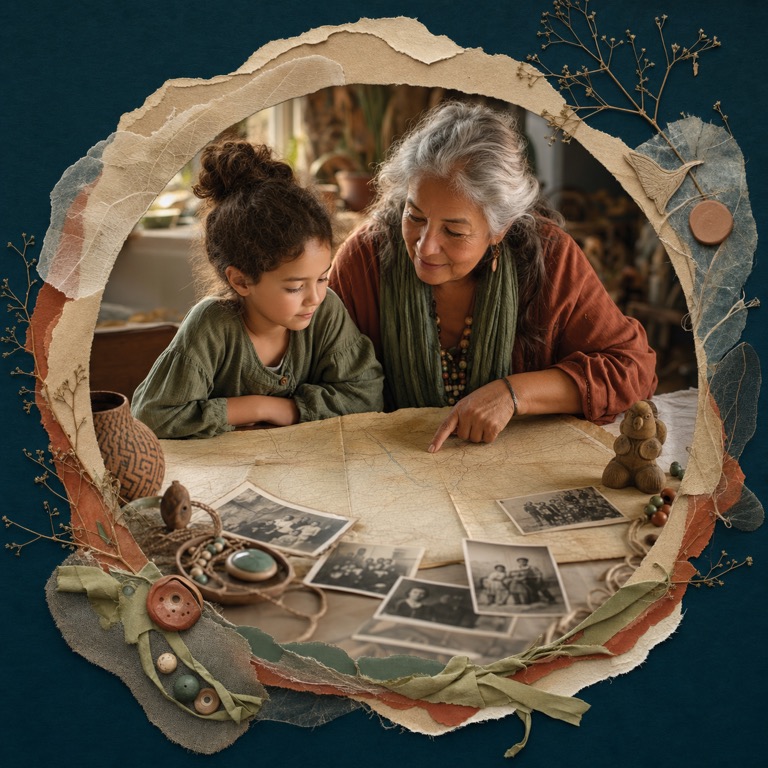
  • A child and older family member exploring a map and family photographsSocial studies

02The Foundations

Foundations support the whole learning map.

Foundations are not isolated subjects or boxes. They are underlying conditions and capabilities that can enable—or constrain—learning across the whole map.

View all 4 examples
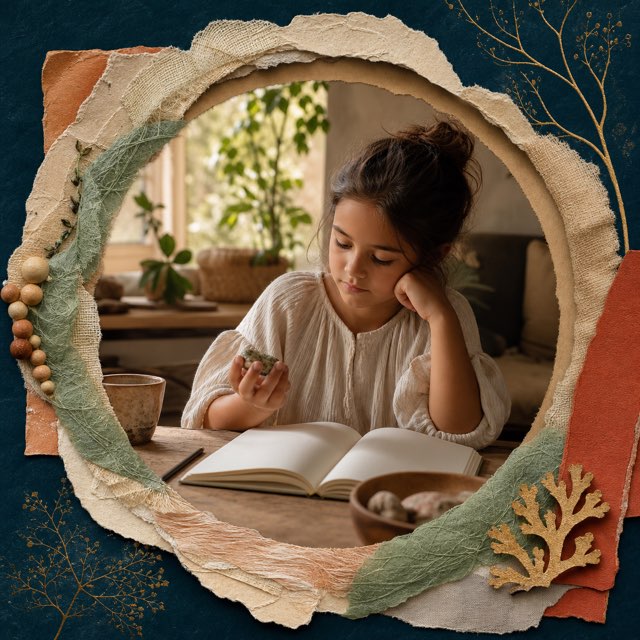
  • A child reflecting quietly with a journal and a meaningful objectBeing a Person
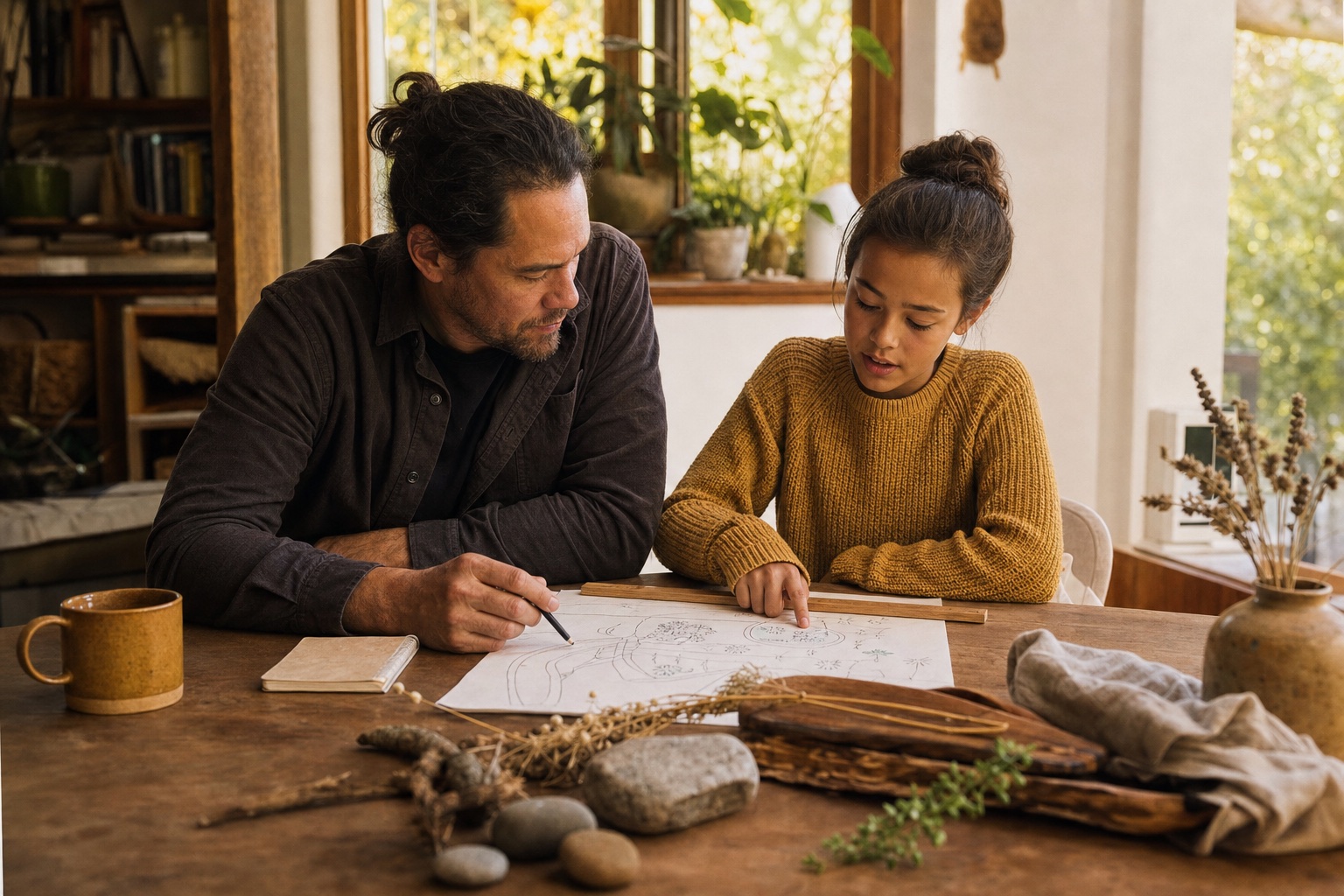
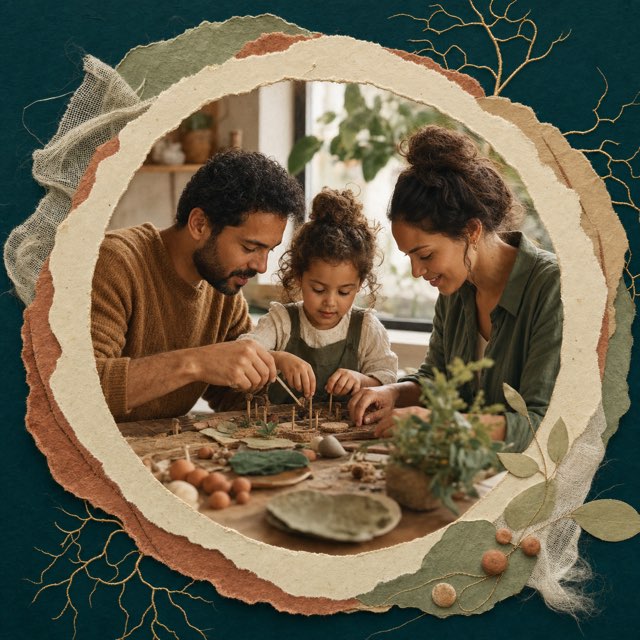
  • A family cooperating on a shared hands-on projectBeing with Others
  • A parent and child examining a natural specimen togetherUnderstanding the World
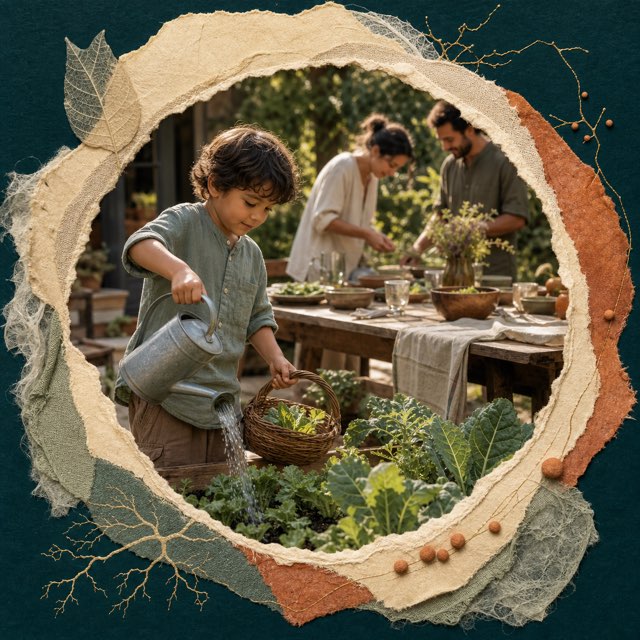
  • A child contributing to family life by tending food plantsLiving in the World

03Broad dimensions of thriving

Pillars give the map stable directions.

Pillars are broad dimensions of human development and thriving. They provide conceptual stability while the Domains and Skills connected beneath them can evolve.

View all 6 examples
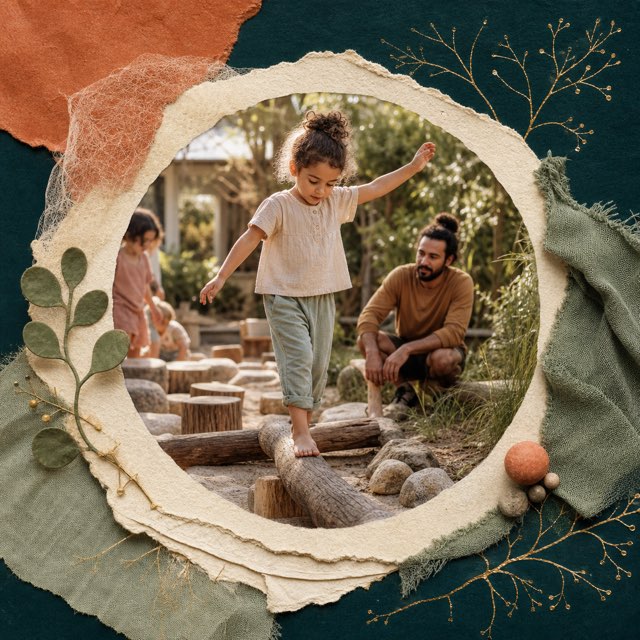
  • A child balancing confidently through a natural outdoor movement courseBody & Movement
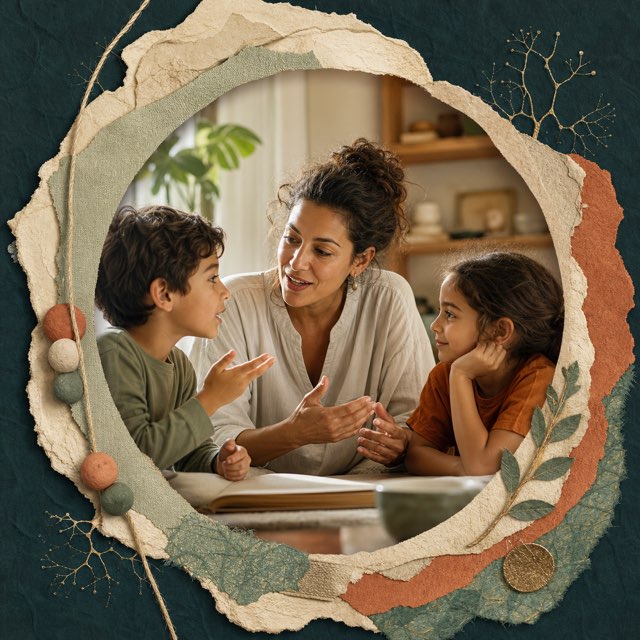
  • Children and a parent listening and sharing ideas togetherCommunication
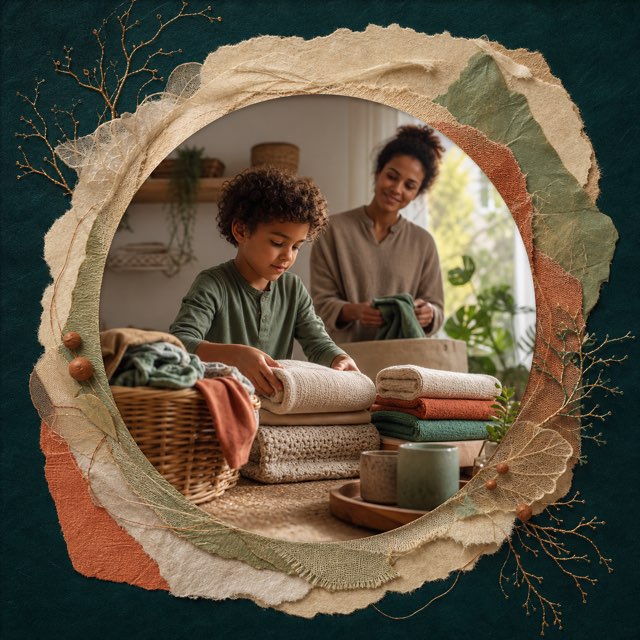
  • A child folding household laundry with a parent nearbyEveryday Life & Home
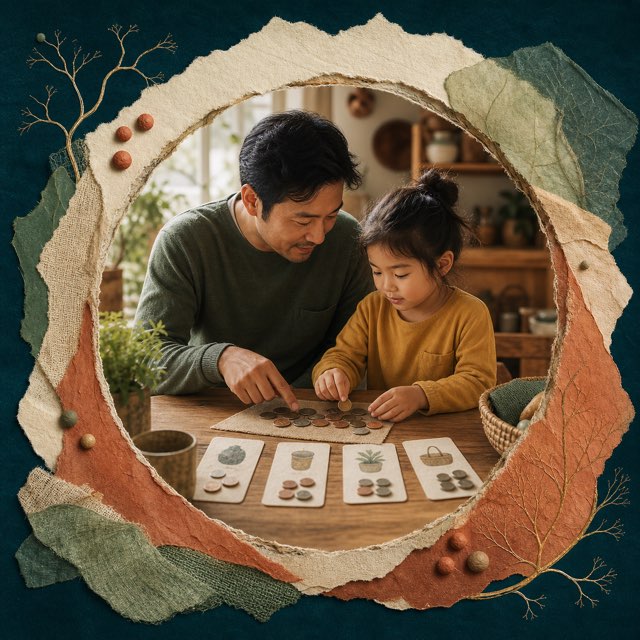
  • A parent and child comparing coins and household choicesMoney, Value, & Economic Life
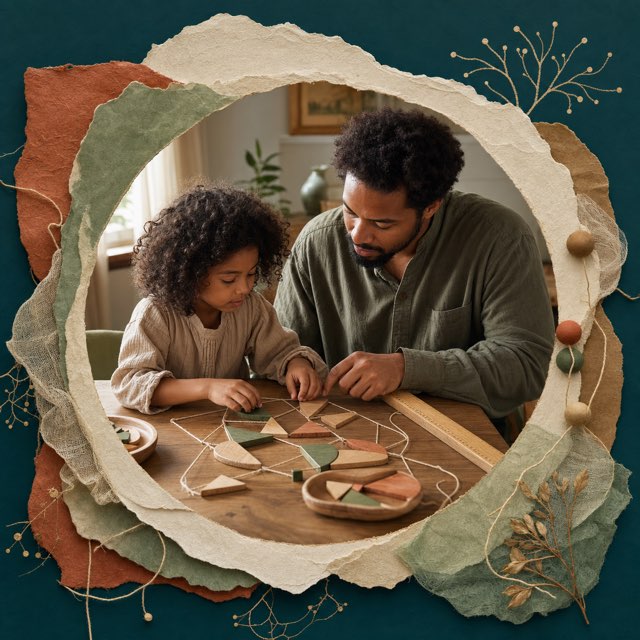
  • A parent and child reasoning with wooden shapes, string and measurementNumeracy & Mathematical Reasoning
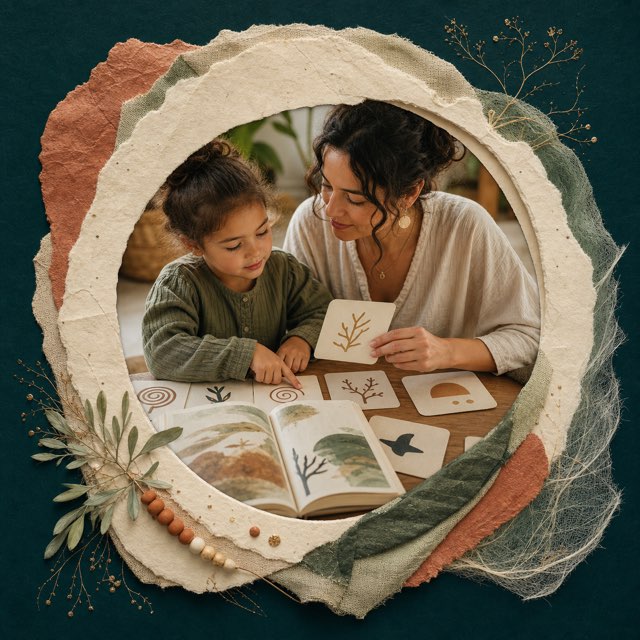
  • A child and parent exploring story cards, symbols and an illustrated bookLanguage, Literacy & Symbols

04The pathway finds focus

Domains open focused areas of learning.

Domains group related areas of human experience and capability. They make the map navigable without trapping learning inside neat subject boxes.

View all 8 examples
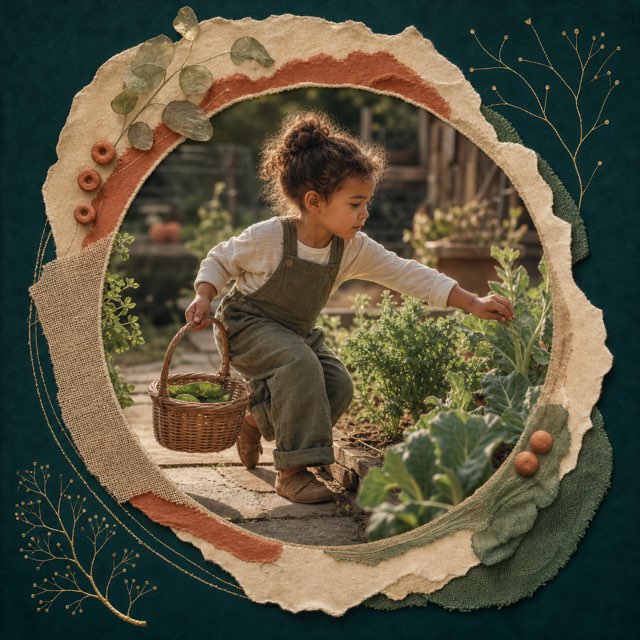
  • A child reaching and carrying a basket while tending a gardenFunctional Movement
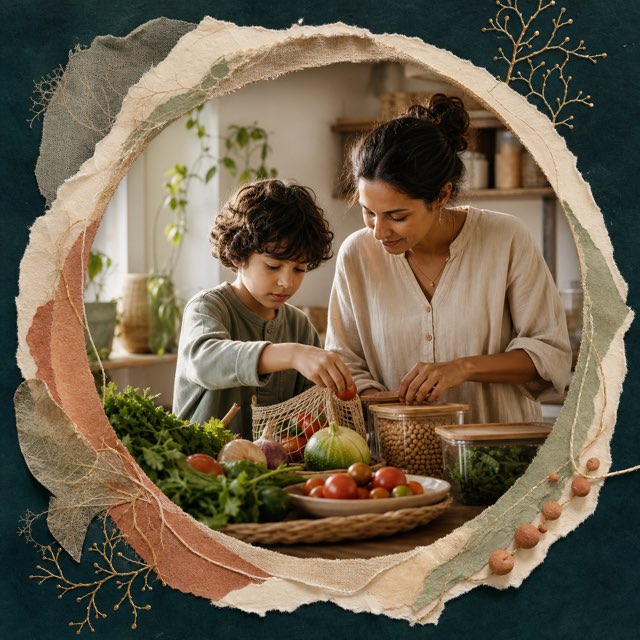
  • A parent and child sorting ingredients and food storage before cookingFood & Meal Management
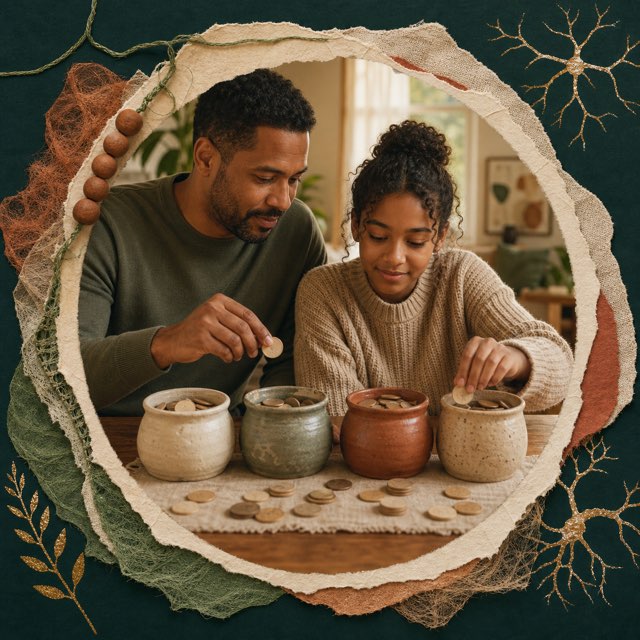
  • A parent and older child allocating coins between household jarsBudgeting & Cash Flow
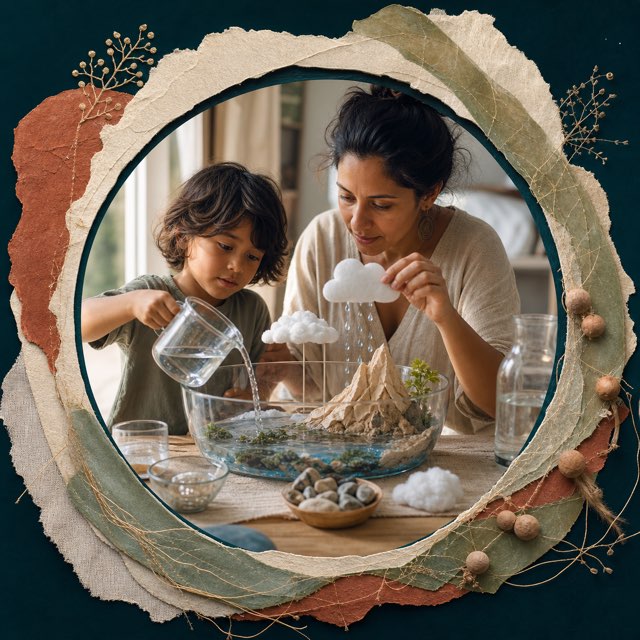
  • A parent and child testing a tactile model of the water cycleScientific Models
  • An older child and parent cross-checking a computer response against a reference bookAI use and Judgement
  • A child arranging picture cards and materials for independent learningLearning Strategies
  • A parent and child arranging picture cards and objects into a useful sequencePlanning & Organization
  • A child using slow breathing and a grounding object with a caregiver nearbyEmotion Regulation

05From capability to practice

Skills connect learning to action.

A Skill is a meaningful capability. Micro-skills reveal the smaller, observable actions and judgements that can be deliberately practised, reused and improved.

View all 4 examples
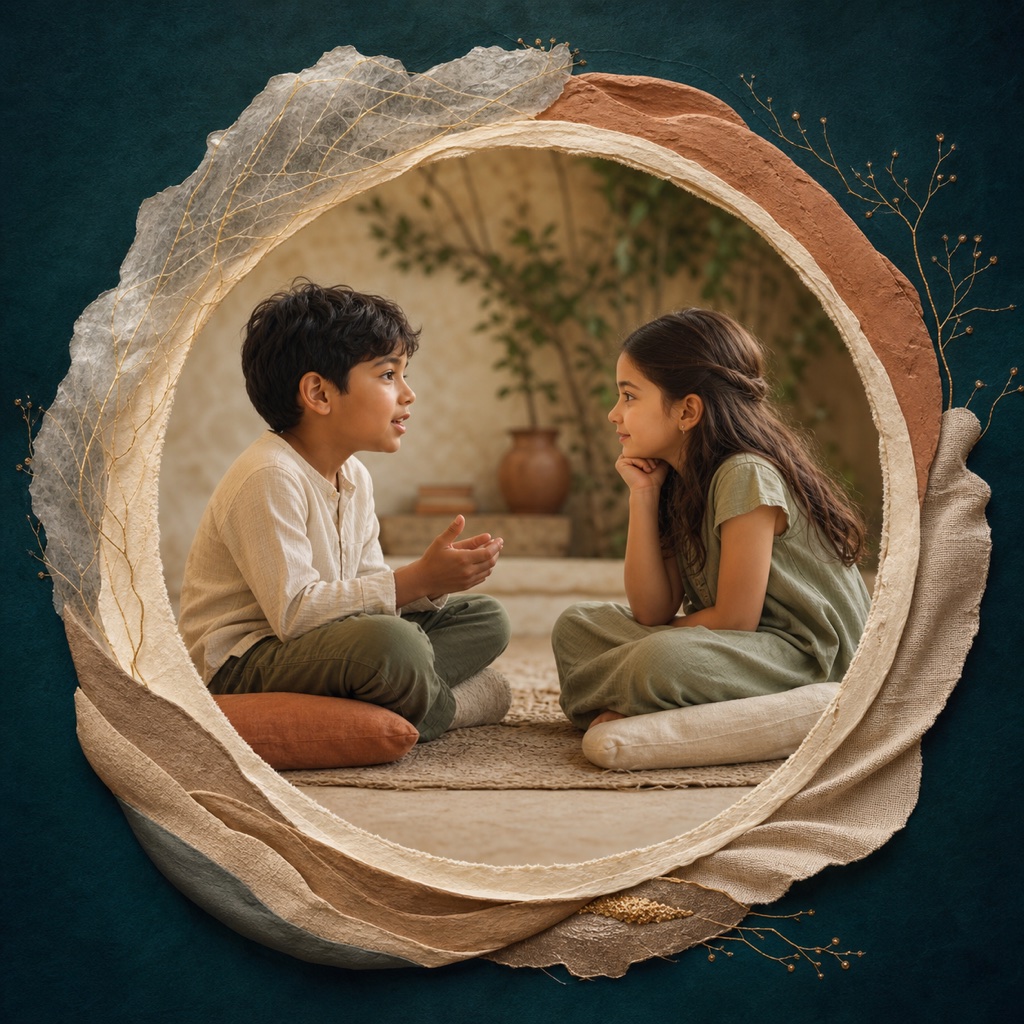
  • A parent and child listening and talking together in a calm home settingHaving a conversation
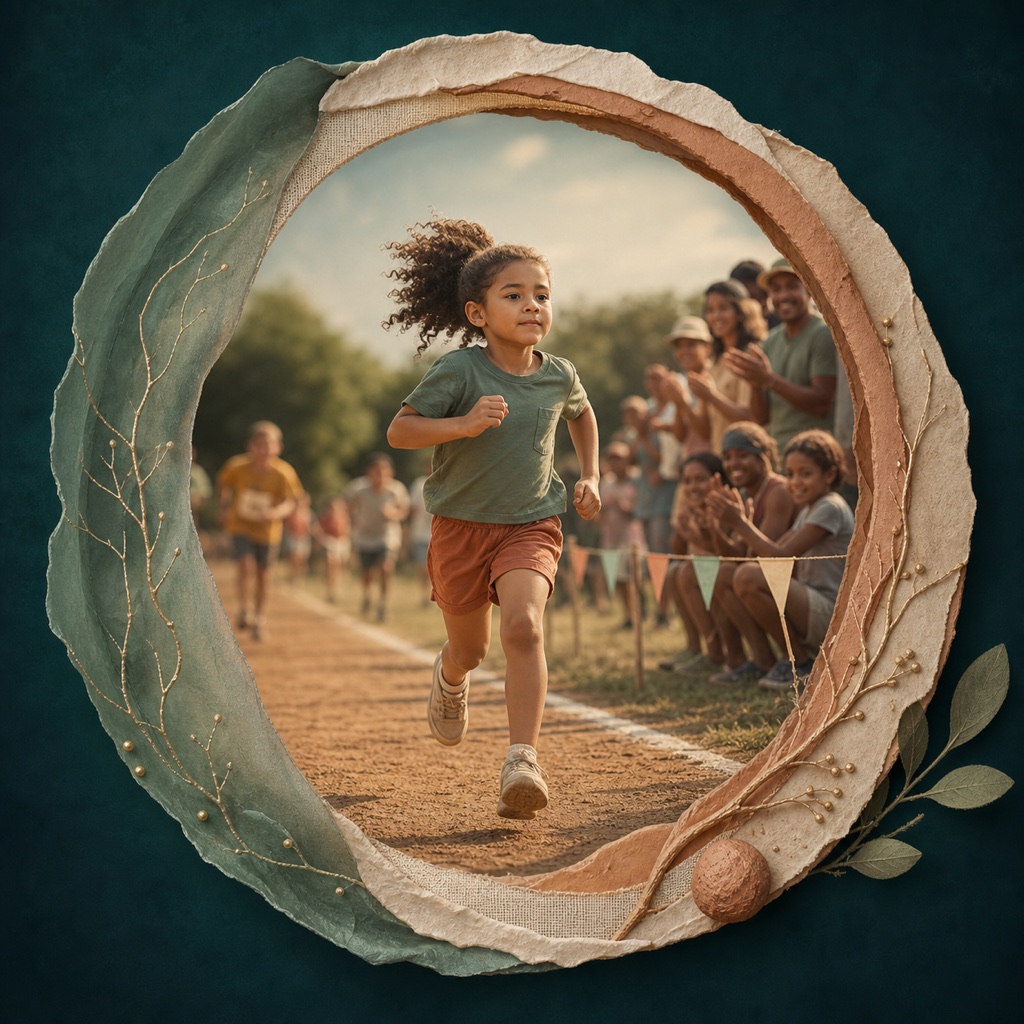
  • A child running with focus in a friendly outdoor community raceRunning in a race
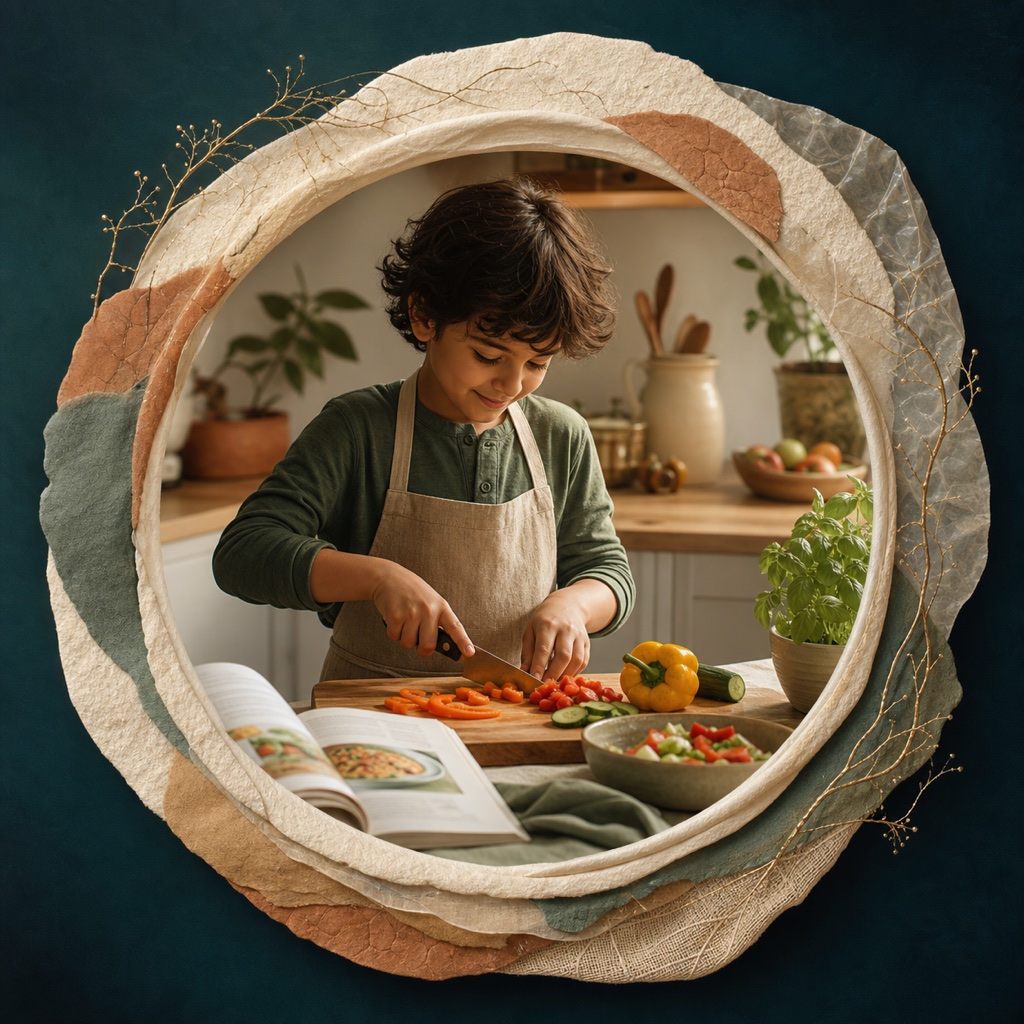
  • A child safely preparing a meal with vegetables in a home kitchenCooking a meal
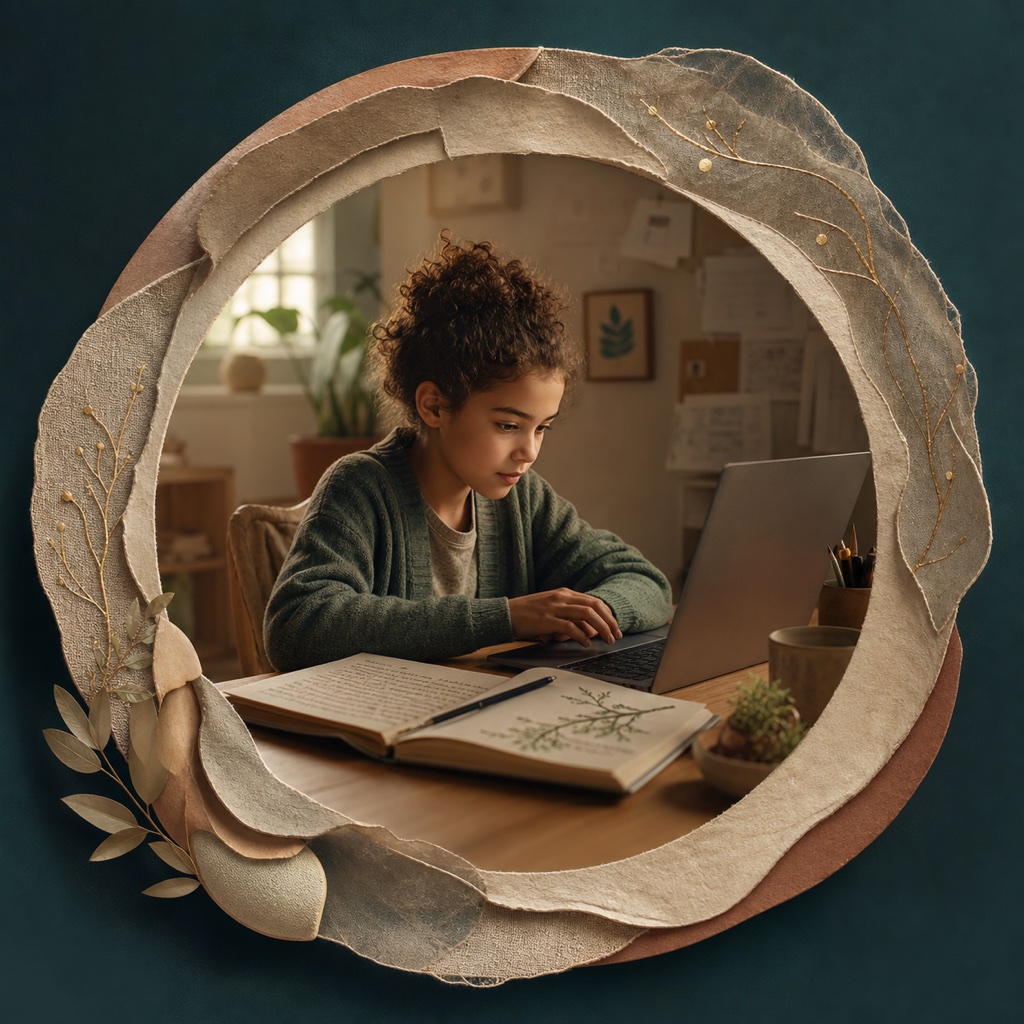
  • A child using a laptop thoughtfully at a warm home workspaceUsing a computer

Worked Skill · Prepare a nutritious meal

  • Use knives, heat sources and kitchen tools safely
  • Measure or estimate quantities
Worked Skill · Prepare a nutritious meal
  • Use knives, heat sources and kitchen tools safely
  • Measure or estimate quantities

06Connections become experience

One experience can connect the whole learning map.

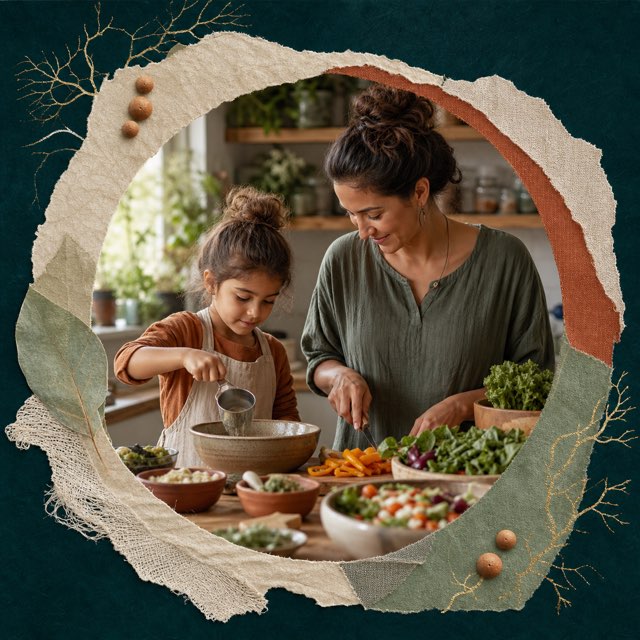
Preparing a meal can bring Micro-skills, Knowledge and Dispositions into one Learning Experience. Evidence—a meal, a plan, an explanation or reflection—makes growing capability visible without turning it into a grade.

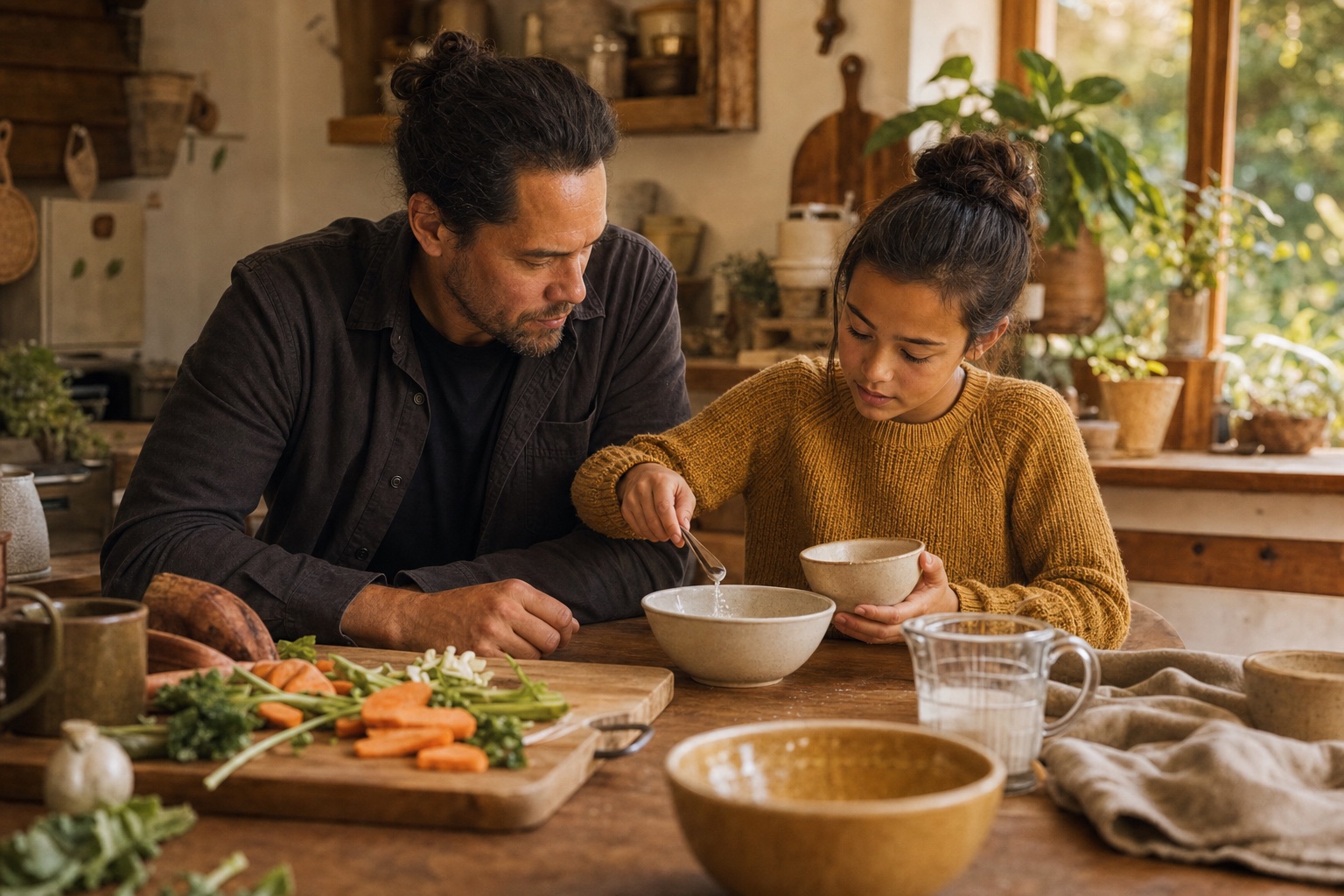
A parent and child preparing a family meal together in a warm home kitchen
Learning experience · Preparing a family meal
  • Knowledge
  • Dispositions
  • Learning Experiences
  • Evidence

07The full living network

See the whole person without losing the next step.

Foundations, Pillars, Domains, Skills and Micro-skills make the framework navigable. Knowledge, Dispositions, Learning Experiences and Evidence connect across the map.

08A living framework in development

The complete Human Skills Map is being developed.

Being Human is refining the framework and building the complete map of Domains, Skills and Micro-skills. The examples in this journey illustrate how the architecture works while that careful development continues.

See current development

Working Framework · Version 2.0 · July 2026

The framework, at a glance

A living map from the whole learner to the next meaningful step.

Being Human is a learner-centred, skills-based meta-framework: a way to organise and navigate learning. It is not, by itself, a complete curriculum, timetable, resource library, teaching method or qualification system.

  1. 01

    Conditions

    Foundations

    Underlying conditions and capabilities that support development across all areas of life.
  2. 02

    Dimensions

    Pillars

    Broad dimensions of human development and thriving.
  3. 03

    Areas

    Domains

    Related areas of human experience and capability within a Pillar.
  4. 04

    Capabilities

    Skills

    Meaningful capabilities developed with increasing independence, consistency, adaptability and judgement.
  5. 05

    Building blocks

    Micro-skills

    Smaller, observable building blocks that can be deliberately practised and may support several larger Skills.
FoundationsPillarsDomainsSkillsMicro-skills

About the visual examples: version 2.0 defines the framework architecture, but not the final taxonomy. The pre-existing Foundation labels, Pillars, Domains and Skills shown in this journey are illustrative working examples; the meal Micro-skills below come directly from the v2.0 worked example.

Foundations influence every Pillar

Supporting conditions, seen across a whole human life.

Foundations are not isolated subjects or boxes. They are underlying conditions and capabilities that can enable—or constrain—learning across the whole map.

Being Human illustration representing identity, reflection and personal growth01

Illustrative whole-human context

Being a Person

Identity, emotional strength, self-awareness, agency, and character.

In family lifeReflect on a difficult moment, name what was felt, and choose what to try next.
Being Human illustration representing conversation, relationships and cooperation02

Illustrative whole-human context

Being with Others

Communication, empathy, collaboration, trust, and conflict resolution.

In family lifePlan a shared family meal, divide responsibilities, listen, negotiate and contribute.
Being Human illustration representing curiosity, research and understanding the world03

Illustrative whole-human context

Understanding the World

Curiosity, critical thinking, comprehension, patterns, and mental models.

In family lifeResearch where a family meal comes from and compare sources before sharing what was learned.
Being Human illustration representing everyday life, practical responsibility and competence04

Illustrative whole-human context

Living in the World

Life skills, financial agency, planning, responsibility, and real-world competence.

In family lifeSet a budget, write a list, shop, cook safely and leave the kitchen ready for others.

Connected across the map

The hierarchy helps us navigate. The connections make it living.

Knowledge, Dispositions, Learning Experiences and Evidence are not extra steps in the hierarchy. They connect across Domains, Skills and Micro-skills.

01Knowledge
Facts, concepts, vocabulary, models, relationships, traditions and perspectives.
02Dispositions
Recurring ways of approaching life and learning, such as curiosity, courage, responsibility, persistence, openness and care.
03Learning Experiences
Projects, play, practice, conversations, challenges and real-world participation.
04Evidence
Performance, artefacts, explanation, observation, transfer, reflection and contribution that make development visible.

Three core values

Curiosity, freedom and growth—held with care.

These values sit alongside dignity, safety, responsibility and contribution.

Curiosity
Interest, wonder, questioning, relevance and the desire to understand or become capable.
Freedom
Meaningful agency within boundaries created by safety, responsibility, others’ rights and developmental capacity.
Growth
Development in capability, judgement, confidence, responsibility, understanding, adaptability and contribution.

Subject-agnostic, not subject-rejecting

Life skills and academic learning belong together.

Mathematics, science, history, language, the arts and technologies remain useful ways to organise Knowledge and resources. A curriculum can sit on top of the framework by selecting capabilities, designing sequences and creating experiences.

Subjects can support the map. They are not the whole map.
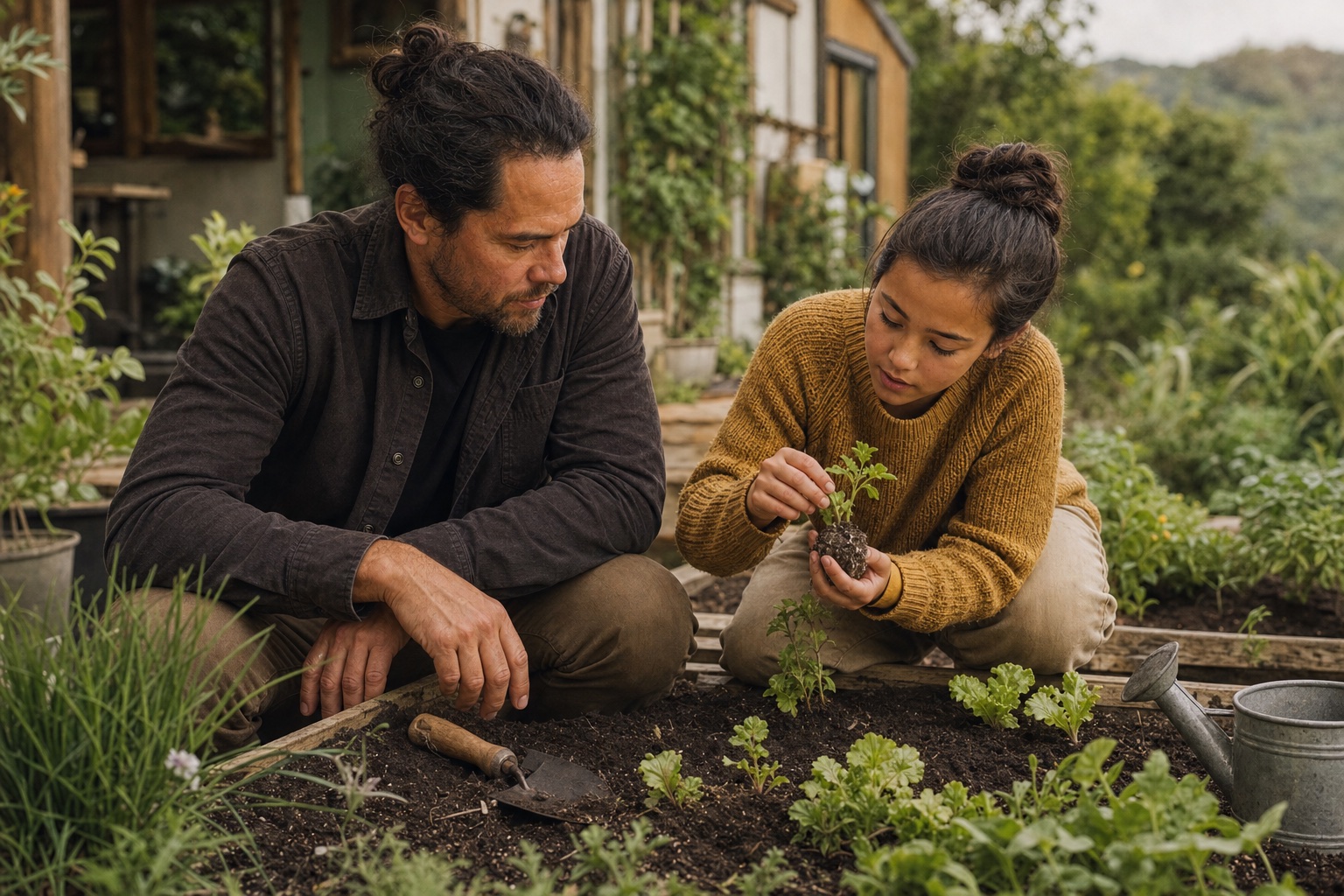
A parent and child examine a seedling together in a home vegetable garden
Knowledge in context

Observation, biology, responsibility and patience meet in one real experience.

01Cooking

Reading, measurement, health, culture, budgeting, planning and practical competence.

02Gardening

Biology, weather, mathematics, responsibility, sustainability and patience.

03A small project

Writing, communication, design, money, problem-solving and reflection.

04Caring for an animal

Observation, research, routines, empathy, responsibility and health.

Worked example from framework v2.0

One Skill can connect the whole learning model.

The example does not force learning into one subject. It shows how smaller actions, useful Knowledge, recurring Dispositions, lived experience and Evidence work together.

A parent watches as a child measures ingredients while preparing a family meal
A Skill in real life

Planning, measurement, health, judgement and care become one connected capability.

Skill

Prepare a nutritious meal

Plan and prepare a safe, nourishing meal for oneself or others using available ingredients, tools, time and information.

Why it mattersHealth, independence, care for others, cultural participation, household contribution, budgeting, planning and practical judgement.
The exact primary Pillar and Domain will depend on the final Being Human taxonomy.

Representative Micro-skills

  • Use knives, heat sources and kitchen tools safely
  • Measure or estimate quantities
  • Sequence tasks and coordinate timing
  • Taste, adjust seasoning and respond to an unexpected result
Knowledge
Food hygiene, nutrition, units, ratios, portions, tool function and common hazards.
Dispositions
Responsibility, care, patience, resourcefulness and willingness to learn from outcomes.
Learning Experience
Plan and prepare one part of a shared family meal.
Evidence
Safe performance, the finished meal, a plan, explanation, observation or reflection.

Generic Skill progression · orientation, not ranking

Skill capability grows in context.

Progression supports clearer feedback and better decisions. It is never a measure of personal worth or a demand for uniform pace. A learner may be Proficient in one context and Developing in another.

Knowledge uses a separate progression model: Unfamiliar → Aware → Understands → Applies → Uses confidently → Expert understanding.

  1. NoviceBeginning with substantial modelling, instruction, prompting, protection or assistance.
  2. DevelopingPerforming parts of the Skill with growing consistency and useful support.
  3. ProficientWorking independently and reliably in familiar situations with appropriate judgement.
  4. AdvancedAdapting across varied, unfamiliar or challenging situations.
  5. MasteryDemonstrating deep, flexible and refined capability while continuing to grow.

A flexible learning cycle

A clear way to think—without a compulsory sequence.

The cycle can begin anywhere and loop as often as needed. A learner may practise before naming a goal, gain Knowledge during reflection or discover a new direction while applying a Skill.

A parent and child discuss a hand-drawn plan for a family project at the kitchen table
A map, not a script

The framework helps a family notice what is already developing—and choose what matters next.

Who is this learner, where are they now, where do they want or need to go, what Skills, Micro-skills and Knowledge will help, and what is the next meaningful step?
  1. 01

    Notice

    A curiosity, need, problem, responsibility, opportunity or guide concern becomes visible.

  2. 02

    Orient

    Clarify the learner’s context, experience, motivation, needs and constraints.

  3. 03

    Map

    Identify relevant Domains, Skills, Micro-skills, Knowledge and dependencies.

  4. 04

    Choose

    Select a meaningful next step at an appropriate level of challenge.

  5. 05

    Experience and practise

    Explore, receive instruction, imitate, rehearse, experiment, apply and participate.

  6. 06

    Receive feedback

    Learn from outcomes, guides, peers, tools, community standards and self-observation.

  7. 07

    Reflect

    Make sense of what changed, what remains difficult and what the experience means.

  8. 08

    Demonstrate or apply

    Use capability or understanding in an authentic or appropriately designed context.

  9. 09

    Update the path

    Let Evidence and reflection inform the next step, deeper learning, a new connection or an intentional pause.

Learner direction

Agency with growing ownership.

Goals, interests, questions, choices, pace and meaningful influence over the learning path.

Guide responsibility

Guidance without control.

Safety, relationship, modelling, instruction, challenge, access, feedback and appropriate boundaries.

Wider development

A world larger than current interests.

Foundational capabilities, deliberate exposure, relationships, contribution, culture and the wider world.

For every stage of life: “Learner” applies from birth through adulthood. A Guide may be a parent, teacher, mentor, coach, practitioner, elder or community expert.

Current development status

Being Human is being built carefully.

The Founder Package is not currently for sale. The Being Human framework is being refined and the complete Human Skills Map is being developed.

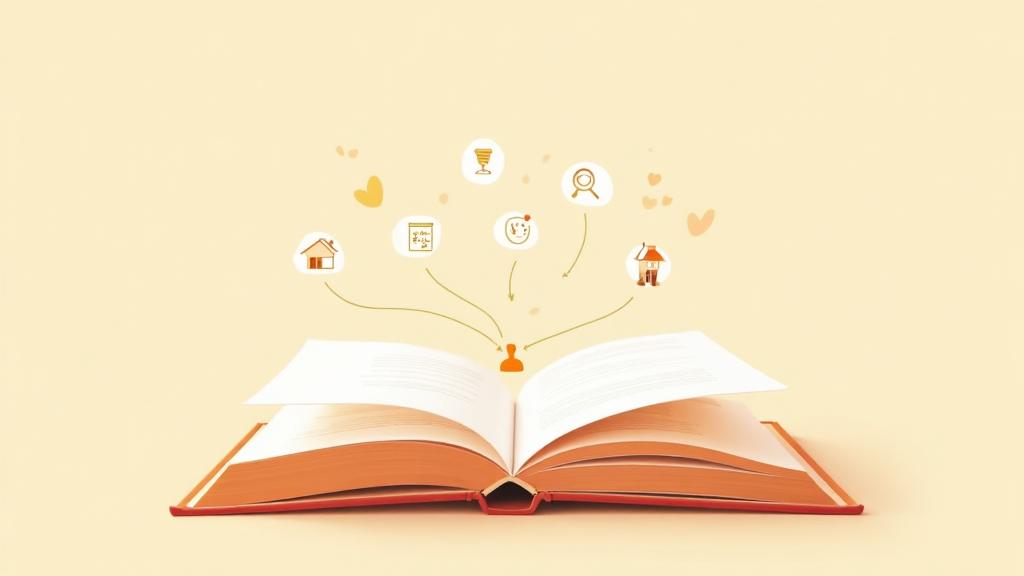
An open book with ideas branching into everyday learning experiences
The visual examples on this site illustrate the framework architecture while the complete Human Skills Map is developed.

In progress

Refining the framework.

The current focus is strengthening the framework before it is presented as a finished system.

In development

Building the complete Human Skills Map.

The full map is still being created. The examples on this site show how the architecture works; they are not the complete taxonomy.

A working framework, still becoming

Explore the thinking behind the Human Skills Map.